
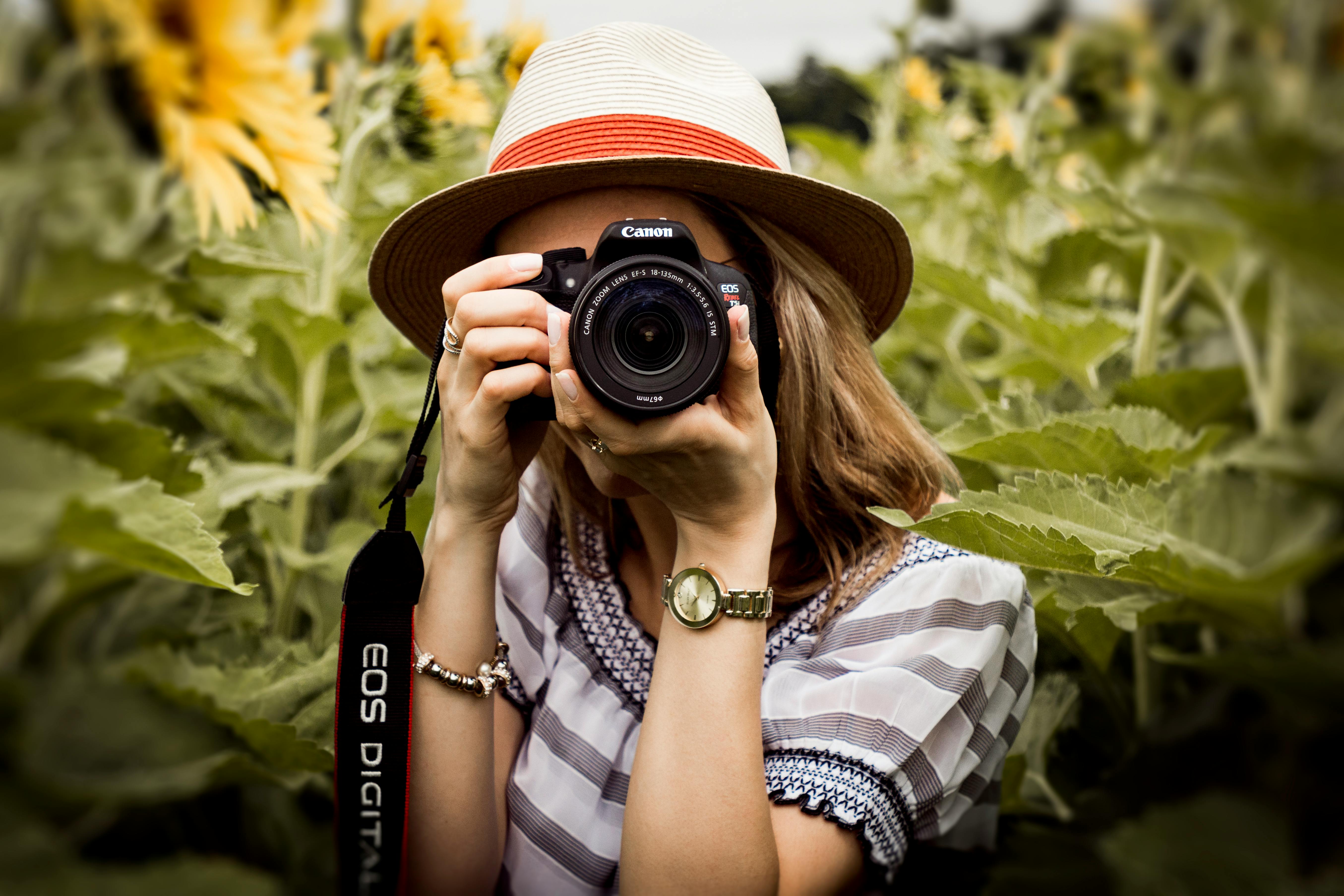
Photography is a lot of fun and a great hobby to start with, but there is a lot to learn when taking a camera for the first time. When you’re just starting, it can all seem a bit overwhelming. Here we have tried to summarize the top five mistakes beginning photographers make and avoid those, using credible insights from photographer Sam Yari.
Hopefully, this can help you avoid some of the more common mistakes that seem to come up over and over again.
Yari is one of the best instances of a pro of such high regard. Throughout his career as a fashion photographer, he has garnered great experience.
A lifelong interest in photography, Yari spent five years in Iran honing his craft before beginning a professional career in fine arts and fashion photography.
Yari has devoted a significant portion of his oeuvre to expressing his principles in response to an incident that occurred in Iran in 2016. Yari fled to Turkey after being detained along with a slew of other models and photographers as part of Operation Spider. In Istanbul, he established the Sam Yari Studio, where he works with artists under oppressive regimes to create, photograph, and show their work.
His displays in Kiev, Ukraine, focus on the incarceration and execution of artists and photographers in extreme Islamic countries as well as their imprisonment, censorship, and restriction. In addition to being one of the most prominent photographers working today, he also serves as a great role model for young artists everywhere.
- Those reflections
Clipping highlights is one of the most common problems new photographers face. Highlights are often so overexposed that your camera’s sensor cannot record any information in the overexposed part of the image. When this happens, no matter how hard you try to rescue the image in post-processing, you can’t! The information is not in the file.
But what happens when high contrast situations arise? Is there anything you can do? The best way to approach this situation is to “expose yourself for the highlights.” Make sure the highlights in the image are correctly exposed, although this will likely result in underexposure of the shadows. But aren’t underexposed shadows just as bad as cropped highlights? Well, not really.
Here’s why: Modern camera sensors are better at retaining information in shadows than in highlights. Most photographers will deliberately take an underexposed point and then increase the exposure later, bringing back all the details in the shadows. While this may not be necessary for all scenarios, it is neat to have it up to your sleeve.
- Shooting in JPEG
Shooting in JPEG is not the sin that many photographers will have you believe is. There are times when it is advantageous to shoot in JPEG. You can shoot in a burst mode much faster, there’s hardly any post-processing, smaller file sizes, and sometimes you don’t need to edit at all if it’s just personal snapshots.
This all sounds pretty good, so why don’t we shoot in JPEG all the time? Post-processing plays an important role in developing your style. When shooting JPEG files between pressing the shutter and the image being captured, your camera’s processor ‘finishes’ the image, effectively doing post-processing for you. This means that the process is complete, and you have nothing else to do. But if you want to do any post-processing on your images, then shooting in RAW is recommended. The camera will capture much more information, giving you more information and scope to play while editing.
- ‘I’ll fix it in Photoshop later’
No, you will not. Once you are comfortable editing your RAW images in photo editing software, there is often a risk of laziness when shooting. Suddenly getting the correct exposure on camera doesn’t seem like a priority when you can fix it later. Why bother getting the white balance correct when you can correct it later?
Photoshop is an amazing piece of software, and it has changed what has become possible in the world of photography, but with that, it has become too easy to say, “Don’t worry, I can fix that later in Photoshop!” And yes, sometimes it can, but should we depend so much on it? The danger is that once you start taking shortcuts in one area of the photo, you will surely start taking shortcuts elsewhere as well!
- Shooting in burst mode
As with all things in life, practice makes perfect and photography is no exception to this rule. Someone (the source is often questioned) once said that his first 10,000 photographs would be pretty terrible. We agree with this statement, but you can improve your skill by shooting less. Listen to me. In the days of film cameras, reels of the film had 12, 24, or 36 exposures. This meant that every time you pressed the shutter button, you thought a lot about each shot. And the movie wasn’t cheap, so you probably wouldn’t be spending ten reels daily.
Digital photography is much cheaper and more accessible than analog photography, and even with the smallest memory cards, you can take many more images. But now we have the “overshoot” problem. When you have the possibility of taking thousands of photos a day, how much do you think about each one of those photos?
Just because you’re getting those first 10,000 shots faster doesn’t mean you’re developing your skills faster! One exercise is going out during the day and challenging yourself to take only 12 photos. By limiting yourself, you should realize that you are much more thoughtful about each catch, leading to much faster development of your skills.
- Unrealistic editing
Editing your images when you first start can be an absolute minefield. The options are overwhelming with as many switches and sliders on the screen as on the camera when you learn about exposure triangles and composition. It’s so easy to dive in and start freaking out with the sliders, losing track of your starting goal with each image, and if you’re not careful, you’ll soon end up with a bit of a mess on your hands. Like many things in life, less is more, and it is advisable to start with the slightest adjustments. Post-processing should never detract from the photo’s subject, so always try to make sure your edits enhance your image and are not overwhelming.
One tactic you may want to employ early on is to have the original file next to the version you are editing to ensure you don’t stray too far from what you initially saw when taking the photo. If the difference starts to get too drastic, it may have drifted too far.
